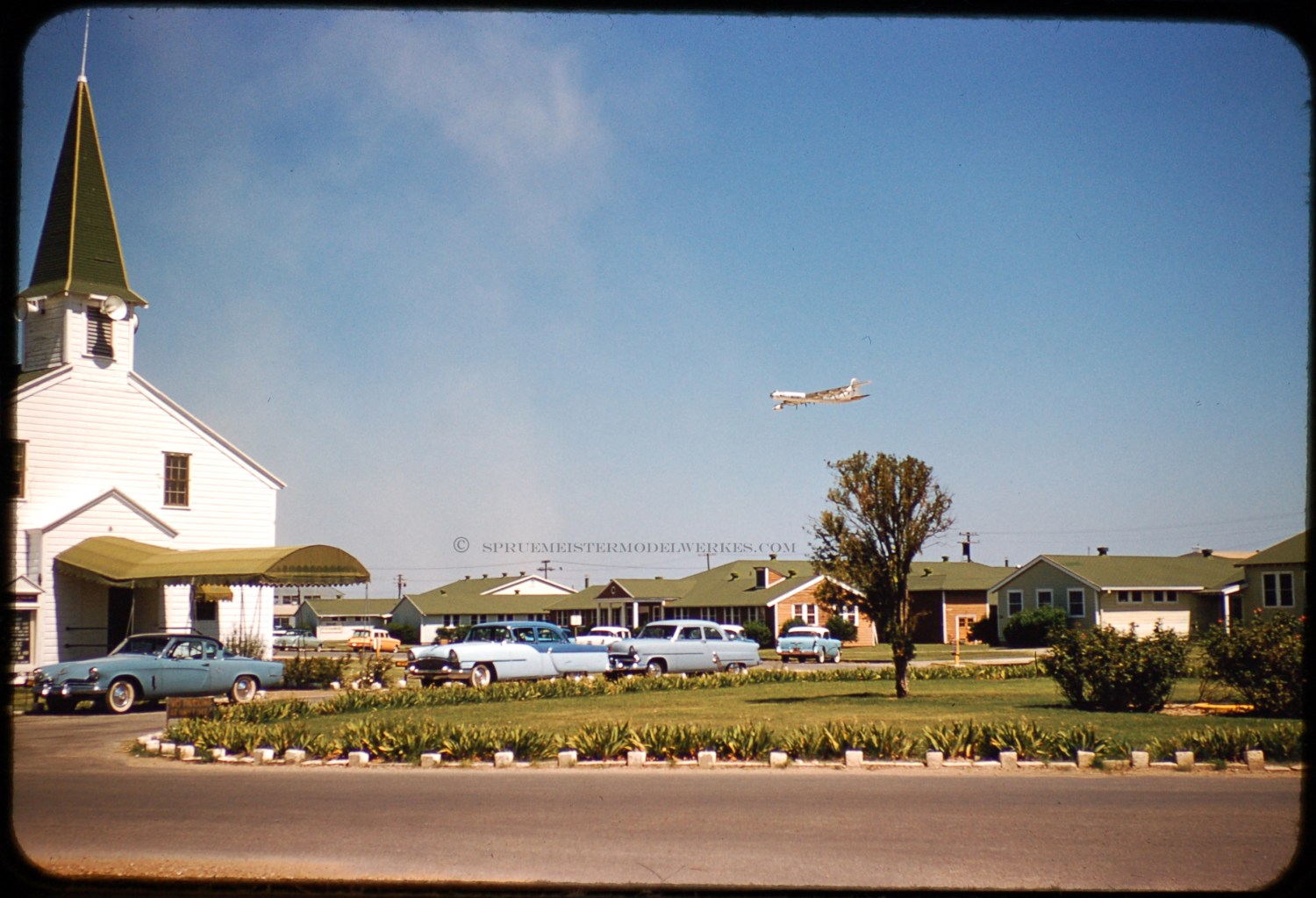

The Big Stick. Aluminum Overcast. Magnesium Overcast. The Long Rifle. Six turning, and four burning. Whatever your preferred moniker, there is no denying the magnitude of the beast’s presence in person or in story. Those who saw it fly know. Those who just heard it fly effuse the experience as one to never be forgotten. Simply standing near one of the four left in existence is enough to cause the loss of the ability to describe it. It never fought a hot war. It never launched with intent to destroy. It was there; cocked and waiting. It is the Convair B-36 Peacemaker. It is one of my all time favorite aircraft. The photo on the home page should have told you that when you came here.
Born out of the desperate early years of WWII the B-36 concept was meant to be the fall back position for waging war against Germany. If Britain fell to the same blitzkrieg that swept most of Europe into Hitler’s grip there would be no forward area for the allies to operate from against the Third Reich. The B-36 would have been needed to fly trans Atlantic to attack Fortress Europe from Newfoundland. Fortunately, England held on against the Luftwaffe blitz and no cross channel invasion occurred. Still, with global matters in doubt the B-36 program moved forward. The XB-36 contract was signed 22 days before Pearl Harbor. Early allied efforts in the Pacific theater had not yet yielded much and in many respects even left doubts about the long term outlook for China. The fore planned long range strategic bombardment of Japan suddenly took center stage as a new need for the Peacemaker emerged. China did not collapse and the B-29 based in China began carrying the war to the Japanese homeland while the B-36 development pushed on slowly. Consolidated’s own B-32 Dominator began receiving priority production emphasis as a backup for Boeing’s B-29 program, and B-36 development slipped. 2 months after D-day in Normandy the first 100 B-36s were ordered from Consolidated (now Convair). But no first flight would occur until almost two years later; 6 August, 1946. With the atomic age a reality there was now a need to employ a larger more capable bomber, able to handle the expanding weapons types that were growing beyond the ability of the B-29/B-50 fleet. Jets were on the near horizon, but the emerging technology of the turbine needed time to reach the level of the strategic bomber. The B-36 was the machine for the job and it stood up and stood out.
Volumes have been written and published about the Peacemaker’s development and history. It is therefore not my intention with this posting to reiterate what has already been so masterfully treated. Not being an expert, there isn’t much else I could add to the already huge mountain of information out there dealing with the subject. Rather I would like to open my collection and lend some inspiration to those like me who can’t get enough of the B-36. They are as is, worts and all. Many are unpublished, so please credit my collection if reused. Then as usual, I’ll take a brief look at into what’s out there in terms of modeling the Peacemaker. Modeling mojo doesn’t usually start by itself. It needs a push sometimes. Let me help.

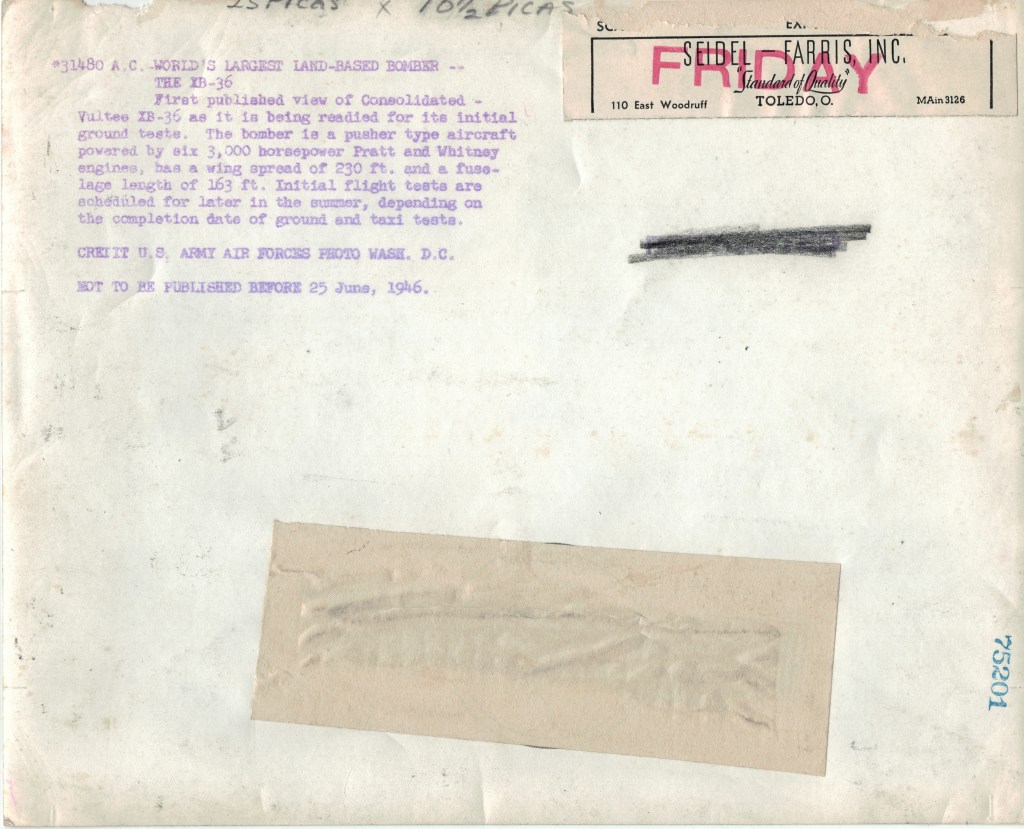
Original press photos are not really unique or rare, but I find they are still useful as references and as historical documents in their own right. They offer a look into the past with an authentic coverage of the subject as it happened.

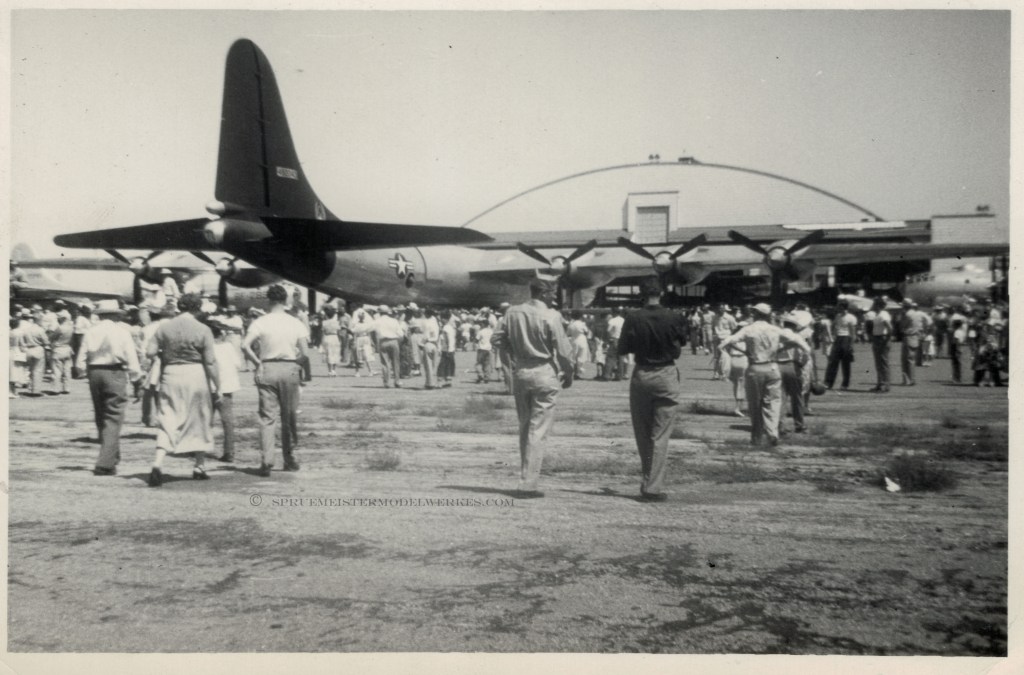
B-36A 44-92014 beating up the flight line at Mobile, Alabama airshow circa 1948.

A successful photo merge of two separate color slides showing B-36A 44-9215 of the 7th Bomb Wing. First B-36 delivered to SAC 26 June 1948. Later named City of Fort Worth. The maroon mid 30s Pontiac is actually not intrusive at all.

Frontal view of same aircraft and nifty Coca Cola delivery van.

015 showing the name on the right side of nose. Possibly at the same event as the color photos.

B-36A 44-92019 unknown location.

B-36B 44-92043 at unknown location. Getting a solid read on the serial for this plane is difficult with the available resolution. I’m 90% there, and if correct this is the aircraft that demonstrated an airdrop of two 42,000 pound Grand Slam bombs 29 January 1949. Note Insignia red empennage and outer wing panels for high visibility over arctic territories as Convair and SAC instituted the GEM program for cold weather operations testing from Alaska, Labrador, and Maine.
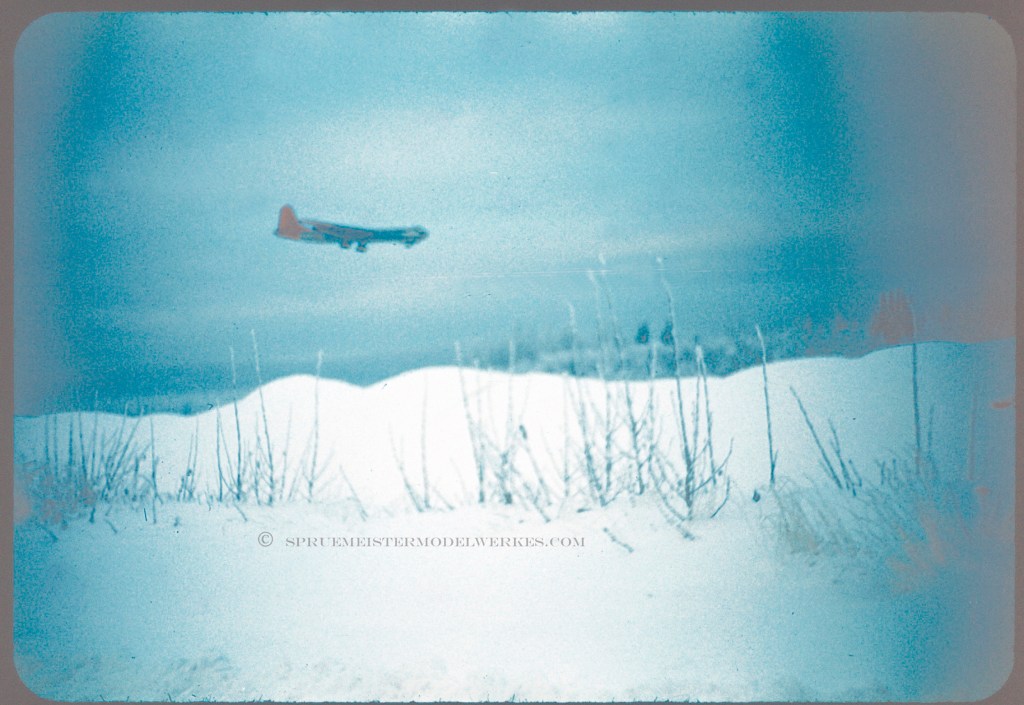
Such as…
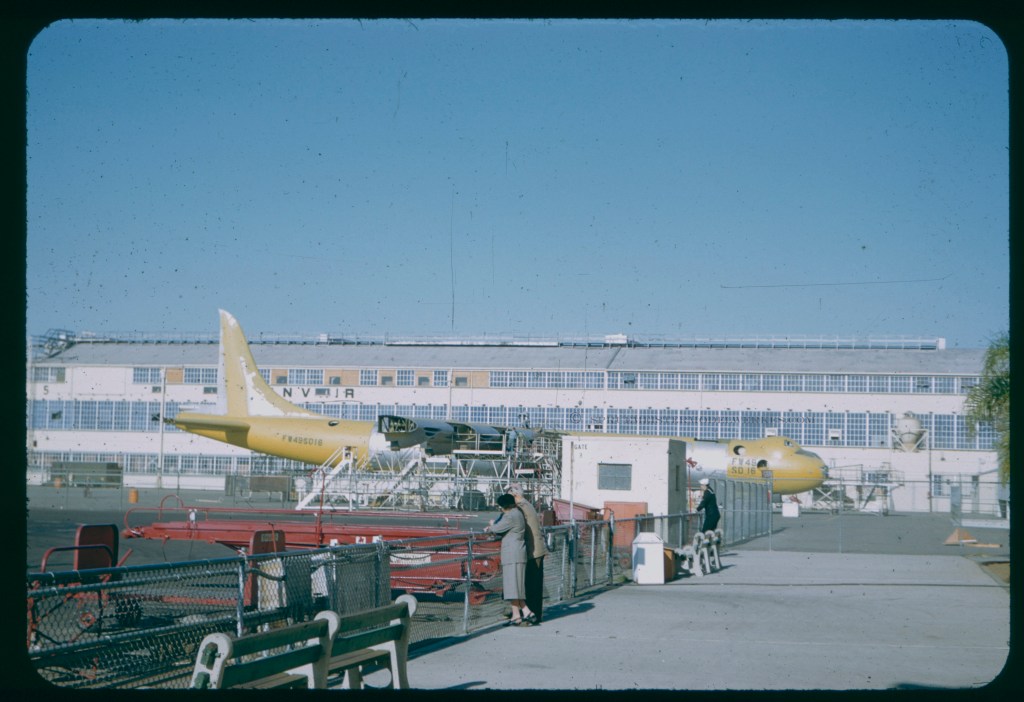
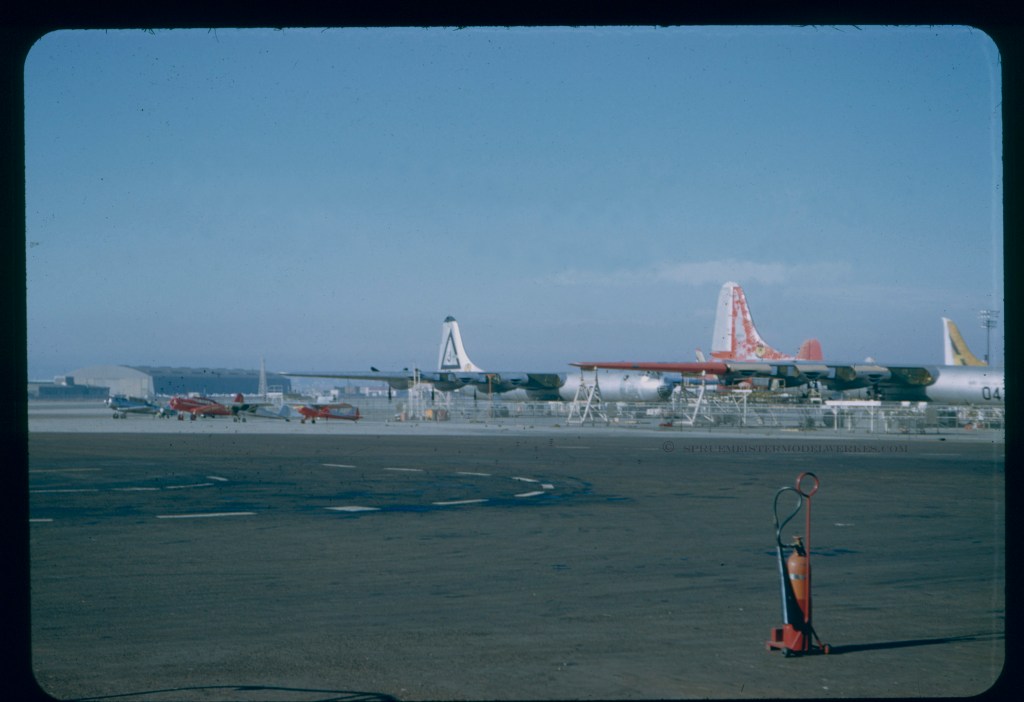
Beginning in April of 1950 Convair began the remanufacture and conversion of most of the B models to D model standard. This included the installation of the jet pods, snap-action bomb bay doors and all metal control surfaces. The work was done at Convair’s San Diego factory site and 55 Bs were completed by February 1952. Four more were reworked at Ft. Worth.
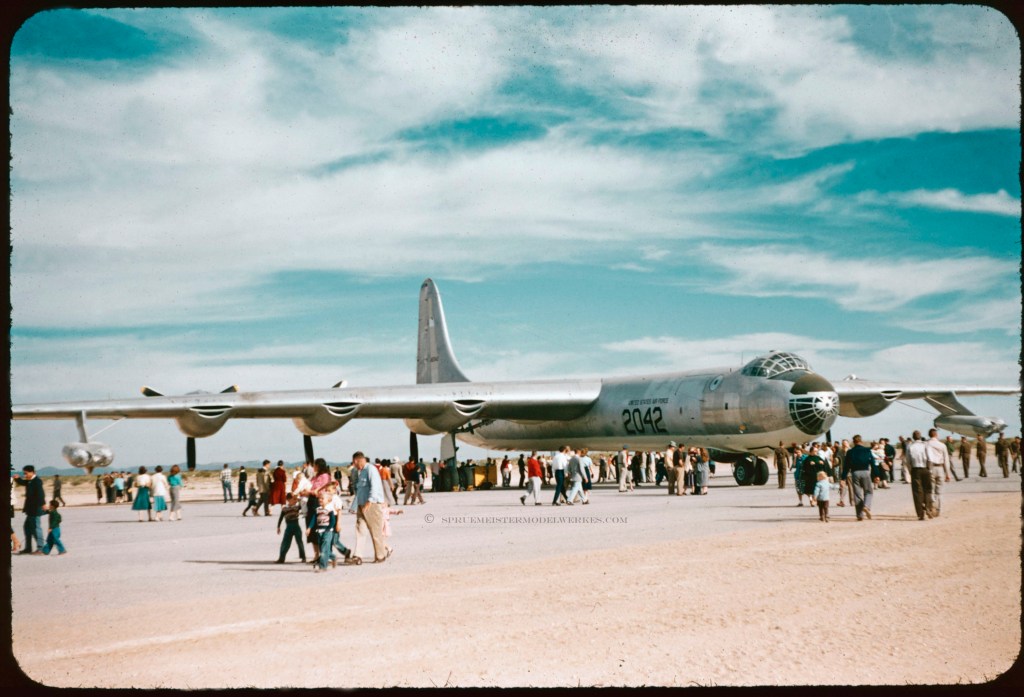
B-36D 44-92024 converted B model used in APG-3 tail radar testing. 1949

B-36D 44-92026 a converted B model at Detroit.

B-36D at Detroit 1952. This is the full color version of the composite photo on the Rare Air home page. One of my favorite images.

B-36D 44-92053 converted B model on Guam. Unknown time.
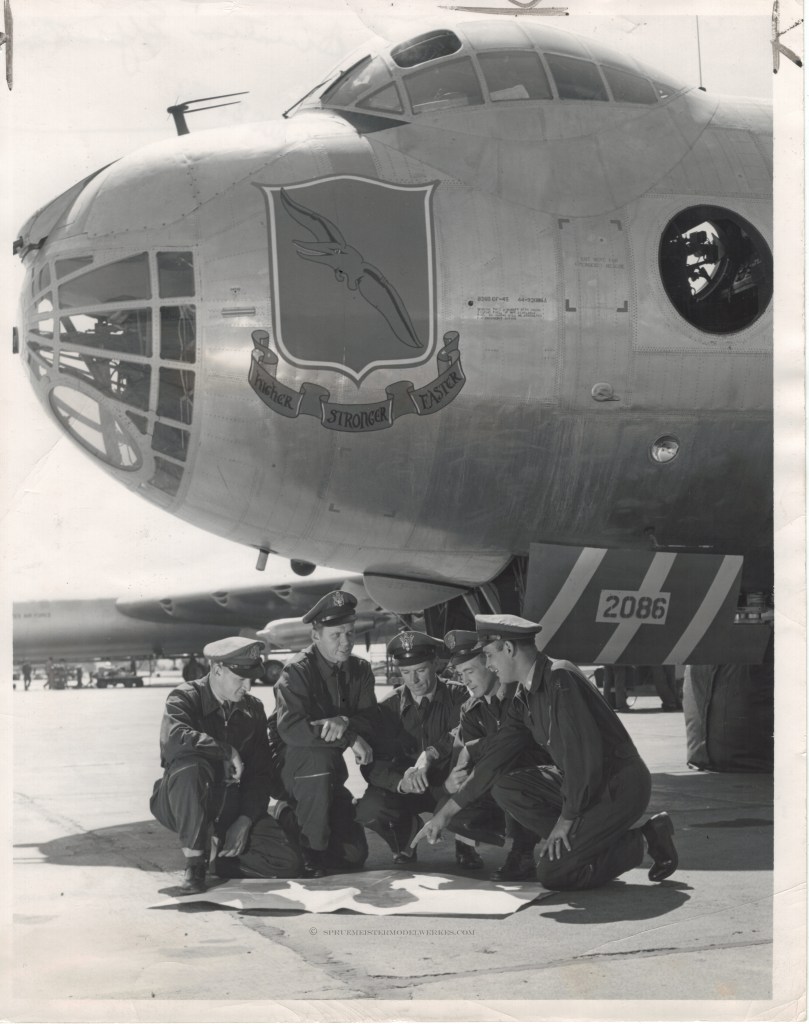

Another of my press photos. Flight crew and B-36D 44-92086 prepare to leave Fairchild AFB, Washington on a polar flight that will end at the International Aviation Exposition airshow in Detroit. 27 August, 1952. Converted from the second to the last B model.
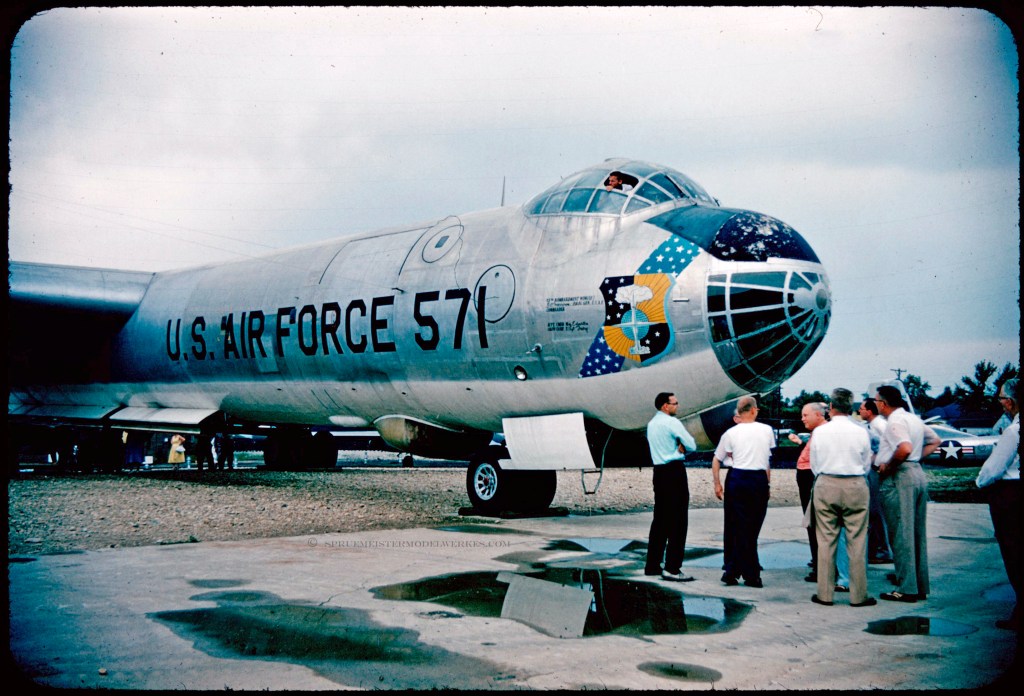
One of the saddest sagas of the B-36 era. 42-13571 was originally the YB-36. The second B-36 built. It was converted to the one and only RB-36E in 1950, then sent to the Air Force Museum at Patterson AFB in 1957. When a new location and building for the museum opened in 1972 at Wright Field it already had B-36J 52-2220 on hand and 571 became surplus to their needs. Unable to find a well funded partner to take the bomber, combined with the overall deterioration of the aircraft, the Air Force dropped the axe (actually a bulldozer with chains and cables). 571 came apart with pieces of it being rescued by famed aircraft salvage/collector Walter Soplata in Ohio. What is left is still there outside of Newbury for all I know. Walter’s collection has mostly been disbursed. Many decades have passed. Aluminum and magnesium do not fare well in northern climates. Hurts to think about what might have been.
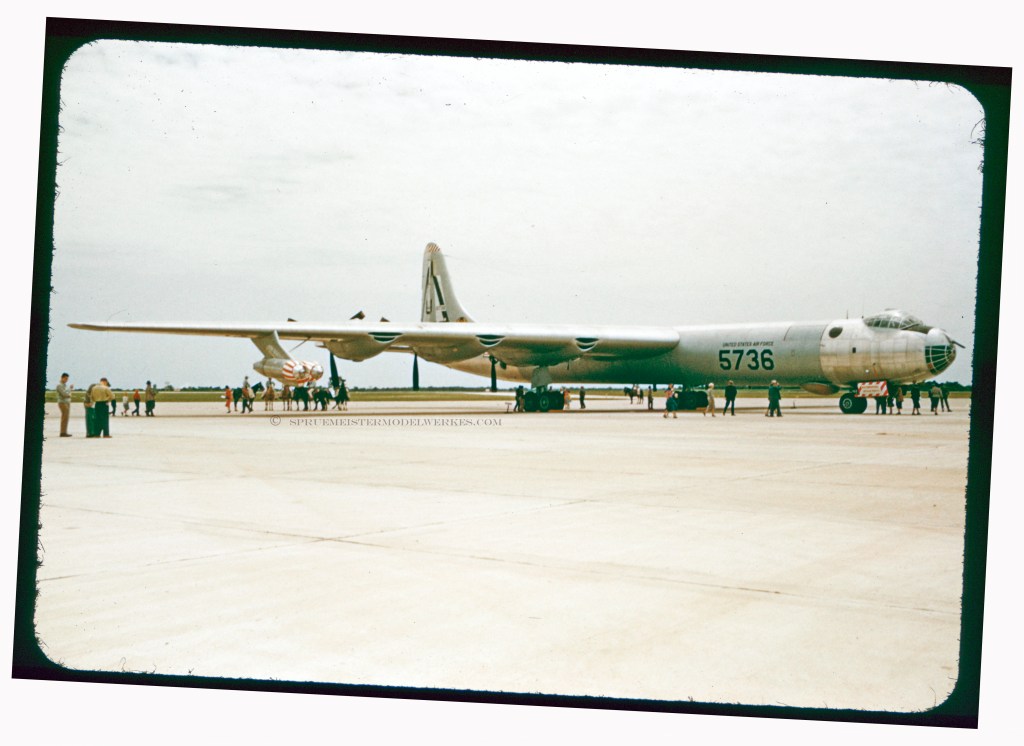
B-36H-40 51-5736. Markings are the same as B-36H-35 51-5734 which was the true star of the 1955 film ‘Strategic Air Command’ with Jimmy Stewart and June Allison playing their supporting roles. Part of the film lore surrounding the actual shooting suggests that more than one (several) aircraft were painted as 5734. This to facilitate the schedule while one or more aircraft were down for maintenance. The B-36 was a complicated machine given to periods of non operational status. Nobody knows which planes would have played the stand in part, but it’s something to think about when considering the above image.
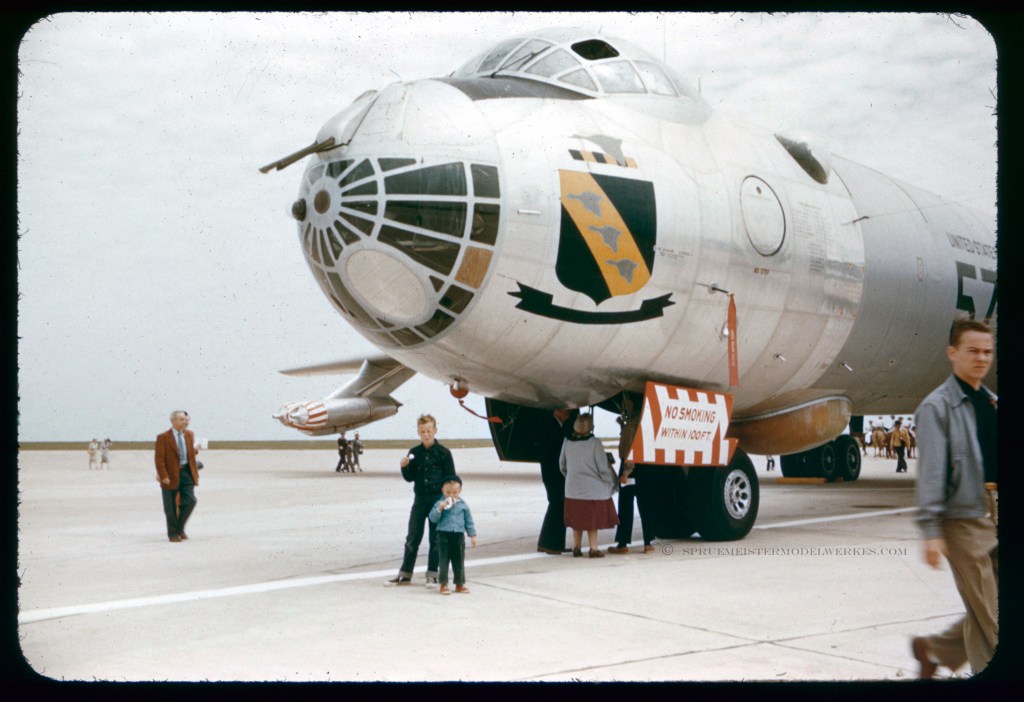
Different angle of 5736.

EB-36H-55 52-1357 assigned to 4925th Test Group (Atomic) used in REDWING nuclear tests in 1956.
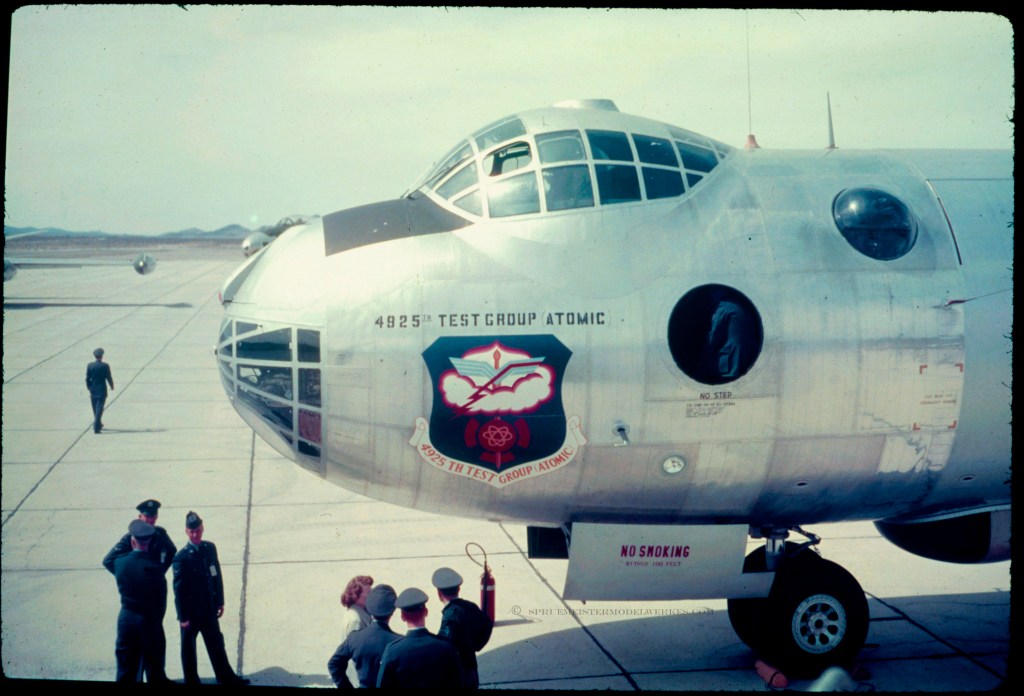
Original source uncertain.

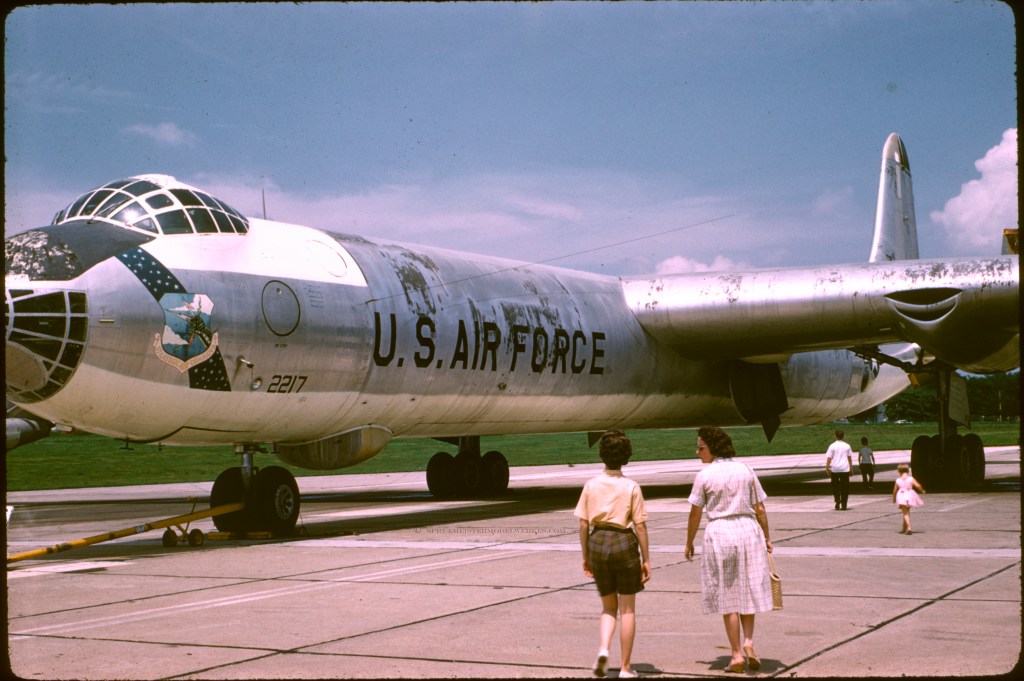

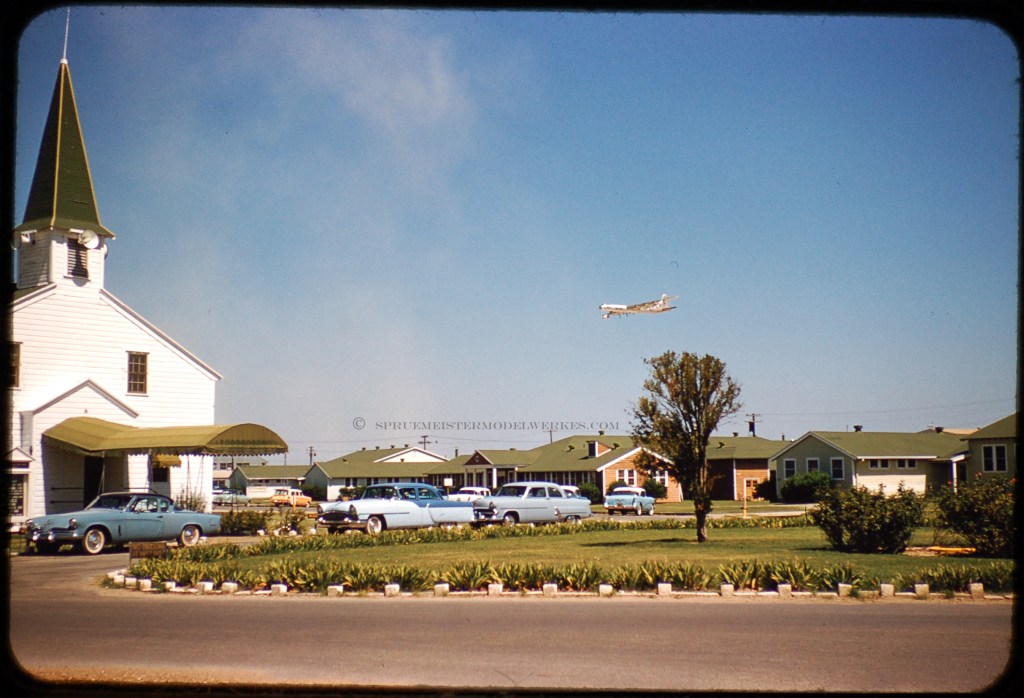
In 1959 General Curtis LeMay helped establish the Strategic Air Command Museum on the end of an abandoned runway at Offutt AFB Bellevue, Nebraska. The very first aircraft to arrive for exhibit was B-36J 52-2217, a Featherweight III model, on April 23, 1959 direct from storage at Davis Monthan AFB, Arizona. These are the earliest museum photos I have seen of 2217. Probably just a month or so after arrival in company with the TB-29A, the second aircraft to fly into the museum. I spent a lot of time on college reading assignments on a bench under the wingspan of 2217. We have both added 40 years since those days.


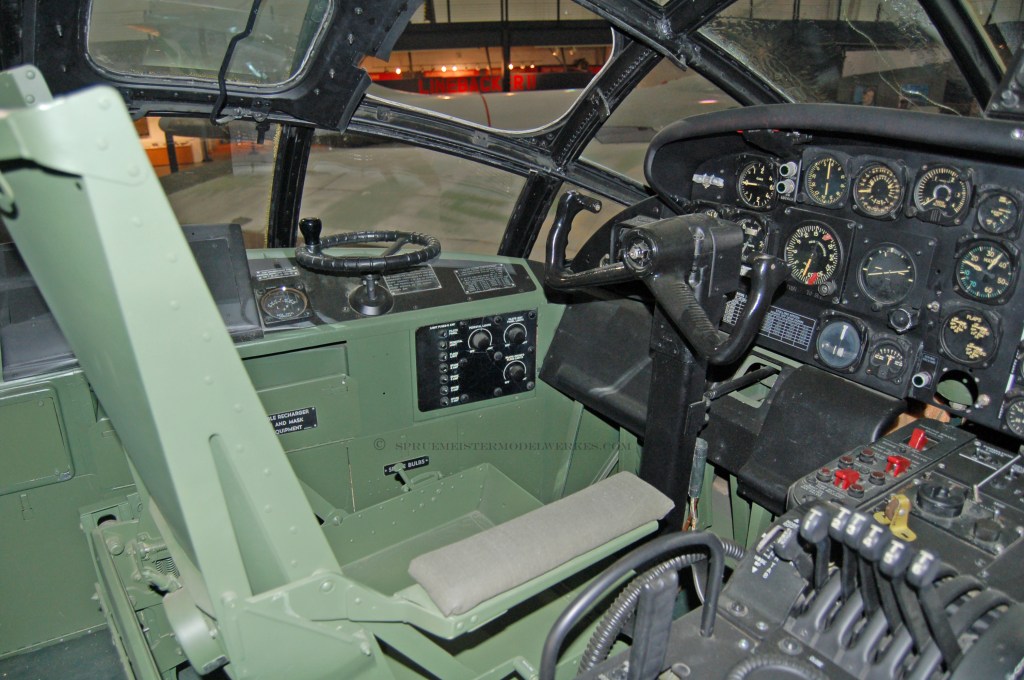
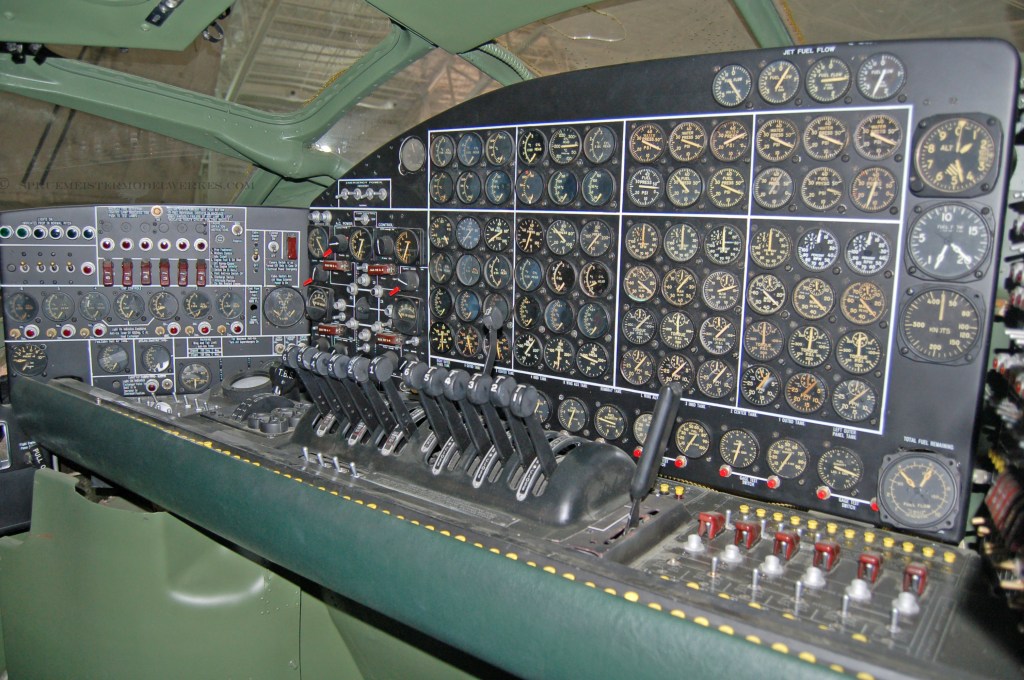

In 1992 52-2217 and the other aircraft of the outdoor SAC museum in Bellevue moved to their new indoor facility near Ashland, Nebraska. In December of 2007 I was able to visit my old friend and view firsthand the newly restored flight deck. The volunteers did a fabulous job. I could have swore I heard Sgt. Bible say, “Ok, starting four…”
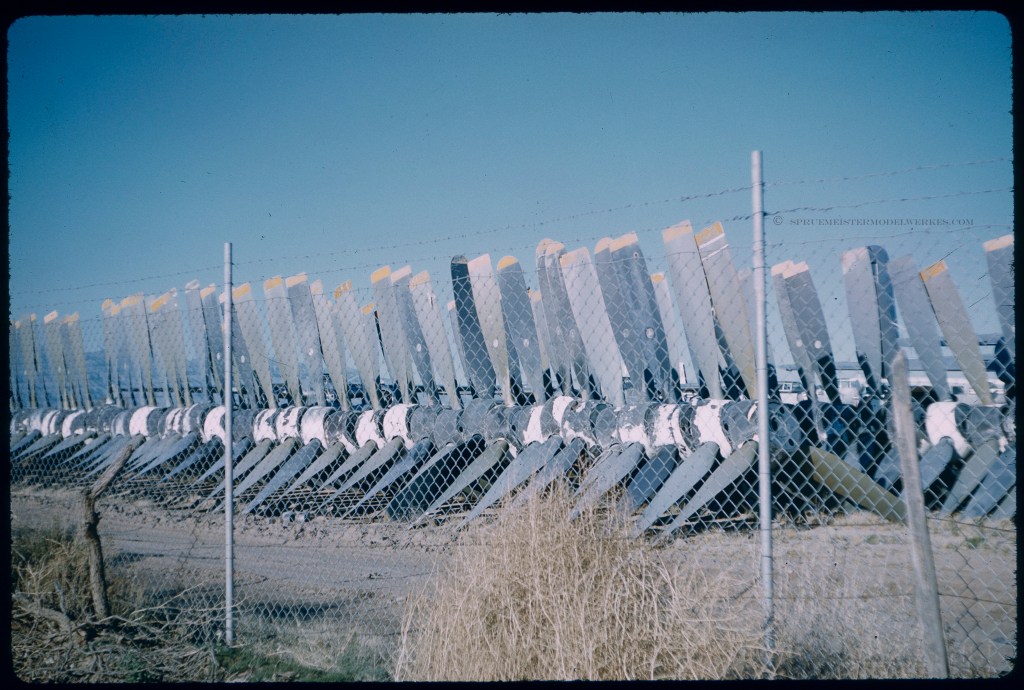
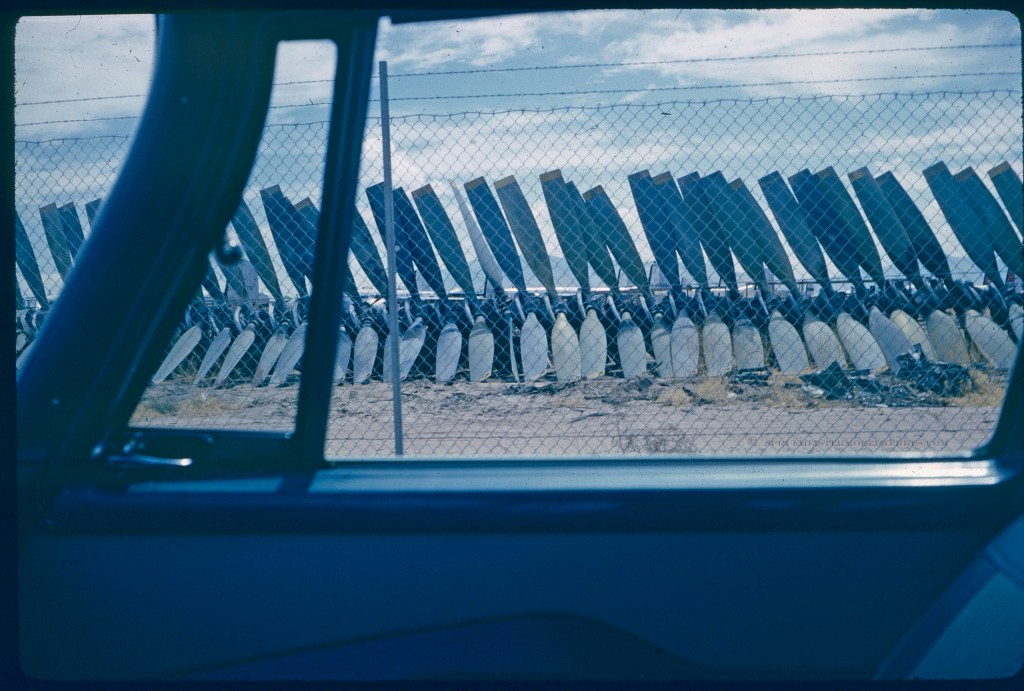
Evidence that the end has come. B-36 square tipped high altitude propellers lining the fence at Davis Monthan awaiting smelting.
The Scale Peacemakers
The good news is that there is plenty of opportunity in the scale modeling world for representing the B-36 in miniature. If you can use the term miniature to describe an aircraft of such magnitude. Recent kit releases have expanded the available choices, and even newer decal options are now possible. We begin with the obvious starting point that most of us are familiar with: The 1/72 Monogram/Revell kit.
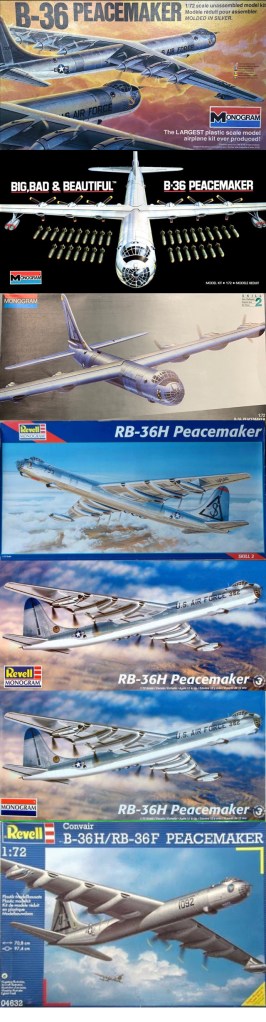
Scalemates indicates that the first of seven eventual boxings occurred in 1980. Raised panel lines, 80 conventional bombs in the open bomb bays, nose and tail guns, and clear molded parts, it is still an imposing model project and not particularly oriented for beginners. Recent trends in modeling have brought on a host of aftermarket options for this kit including cast and resin printed parts that really help enhance a decent base model kit with wheels, and open gun bays with turrets. The 3D print world has options for earlier B-36 versions such as the XB-36 with single 110″ main wheels, and even an NB-36H nuclear propulsion test aircraft. Atlantis has recently reissued the old 1/184 Revell B-36 for a nice nostalgic flavor that will take you back to the mid 50s. The Aurora 1/333 kit can still be found occasionally for yet another nostalgic experience from just a few years later than the Revell kit. Hobby Craft’s 2002 1/144 kits have recently been overshadowed by Roden’s release of the Peacemaker in the 1/144 scale. Their three separate kits will get you almost any B-36 type helped again by the 3D print conversions out there. Metallic Details makes a comprehensive brass photo etch sheet for the Roden kits. If none of this is big enough to satisfy your B-36 craving, then maybe you need to look for the HpH Models B-36 kit. In a fully appropriate scale of 1/48 it will set you back one car payment and may or may not get you evicted from your model work space. Either by spouse or by sheer need for more room to work. It is still listed on their website but I am thinking that the limit of 100 kits has probably been reached. So good luck and good hunting.
Decal makers have had the B-36 covered in 1/72 since the MicroScale/SuperScale/Scale-Master days. These are regularly available via show tables and online auctions, although their usability is growing shorter all the time. Scale-Master issued a small sheet in 1/72 with three B-36D subjects from the 92nd BW(H) similar to the photo above of the polar flight. All you need is a single digit change to the serial number to model this particular aircraft. More recently Warbird Decals have issued 1/72 and 1/144 sheets covering multiple B-36 subjects. Caracal Decals has a recent 1/144 decal sheet with no less than 20 different marking option. It looks likely that they will also issue a 1/72 sheet in the future.
There are multiple companies who have done a great service to the B-36 modeler by issuing canopy mask sets. Really glad for these time savers. And while were at it, don’t forget some weapons of mass destruction. Resin nukes are available from Black Dog at least in 1/72 and will certainly lend a more frightening feel to a Peacemaker project.
This is hardly a comprehensive treatment of B-36 modeling or a complete historical photo record of the plane but such is beyond my intention here. There’s a lot of great resources out there that I invite you to deep dive to get a better understanding of this historically significant aircraft and maybe build a tribute. It’s a great time to be hooked on the B-36. Go nuts!
References
Convair B-36. A comprehensive history of America’s Big Stick. Meyers K. Jacobsen 1997. Schiffer Pub.
Magnesium Overcast. The Story of The Convair B-36. Dennis R. Jenkins 2008. Specialty Press Pub.
Cold War Peacemaker: The Story of Cowtown and the Convair B-36. Don Pyeatt & Dennis R. Jenkins 2010. Specialty Press Pub.
Convair B-36 Peacemaker. Warbird Tech Series. Dennis R Jenkins 1999, Specialty Press Pub.
scalemates.com
Matthew 5:9
Addendum

XC-99. Not really a Peacemaker but very much a part of the lore and worth including.
R. Lorenz
 spruemeistermodelwerkes.com